

Resilience is a term that is used in many types of professional development training. It refers to an individual’s ability to bounce back from a disappointment, a setback, a change, or a stressor that occurs in their personal or professional life.
Being resilient is not ignoring problems or challenges or putting on a brave face and simply not showing the emotional pain, sadness, or even confusion that these issues cause. Instead, it is a way of accepting the inevitable challenges in life and having a way to move forward without allowing these issues to drag you down emotionally, mentally, spiritually, and even physically.
Successful business professionals develop resiliency early in their careers. These people have typically gone through downsizing, job loss, rejections, criticisms from bosses, and more serious and significant life events. However, they have developed or worked on enhancing their resilience or their ability to cope effectively with these obstacles life throws in their path.
The good news is that resilience is something that anyone can develop. As part of emotional intelligence, there are activities, skill development, and insights that can be used to build up your capacity for resilience to respond without stress when challenges occur in your life.
- Work on relationships – research shows the more meaningful relationships and connections people have in their personal and professional lives, the more resilient they are when challenges occur. These connections are the people you interact with on a regular basis or those good friends you can call on when you need to talk to someone you can trust. Relationships that could for resilience are your emotional network, and they work with you to achieve success, just as you work to help them achieve success.
- Create a structure of caring for yourself – one of the best ways to be able to handle challenges is to maintain a high level of physical, mental, and emotional energy. This means knowing your limits, setting boundaries, and being able to say “no” to avoid feeling pressured, stressed, and mentally, physically, and emotionally exhausted.
- Find something you like and do it regularly – find something that makes you happy. This could be playing a sport, taking up a hobby, volunteering, spending time in nature, or connecting with your friends and family. If you have multiple things that you enjoy, make time to do them on a regular, weekly basis to bring fun and enjoyment into your life as a priority event.
- Practice mindfulness – mindfulness is the art of being in the moment. It is about looking for the benefits in a situation and not immediately spending time stressing about the “what ifs” and “what abouts” that drain your mental energy. Being mindful can include meditation, deep breathing, or simply finding a place to sit quietly for a few minutes and letting go of thoughts.
The more you practice resilience, the better and more positive you will be in any given situation. Like any skill, it is a gradual process, but well worth the effort.


 One of the hallmarks of a successful person is perseverance. The most successful people have proven themselves to be able to meet their goals simply because they do not give up easily on those goals. They show the discipline and commitment to continue to move forward toward a goal even after making several failed attempts and even when the odds may seem impossible.


 Life is full of unexpected twists and turns. Each of us can look back and remember times when we got news for which we weren’t prepared. Happy unexpected news generally elicits a pleasant response, however, sometimes bad news elicits more of a reaction than a response.
 One of the most used terms regarding productivity is the term “multi-tasking”. We’ve been led to believe that in order to be productive, we must be working on several different things at once. However, if you want to finish what you start and feel a sense of accomplishment each day, a single focus is a much better way of working through your day.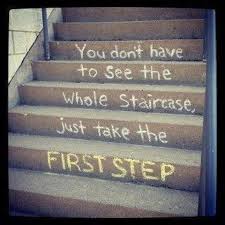
 Any major pursuit in life is a big undertaking. There are often many months and many steps required to reach a goal. Because of this, major accomplishments can seem overwhelming, and this feeling causes many people to give up on their goal.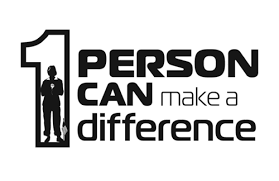
 community is important at all stages of your life and of your career. Everyone can give. And, every little bit helps when it comes to time and money. Here are three reasons why it’s important to give back to your community even when your time and money are limited.


 (time it will take to read: 1 minute 55 seconds)