
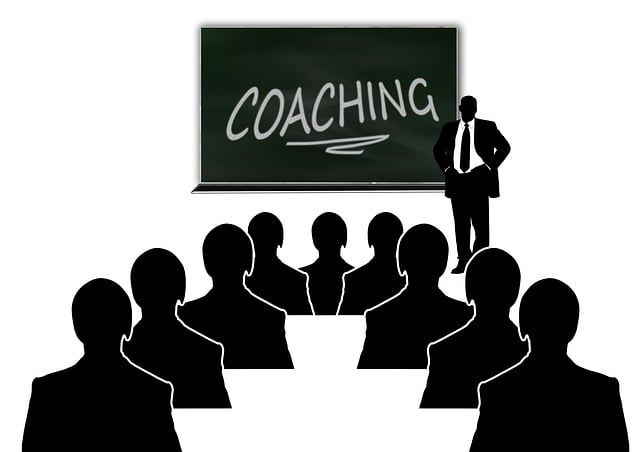
Manager as Coach by Cindy Stradling CSL, CPC
In a business environment that is becoming increasingly dynamic by the day, the role of a manager is fast busy evolving far beyond traditional directive leadership. In such an environment, adopting a coaching approach makes it possible for managers to guide their teams toward greater autonomy, innovation, and performance.
By shifting from merely giving orders to asking powerful questions, managers can help to foster growth that benefits both individual employees and their employers.
The importance of adopting such a coaching mindset cannot be overstated. Most employees simply crave development opportunities, and managers who coach will help to unlock their hidden potential.
A coaching approach builds trust, because team members feel both heard and valued instead of merely being micromanaged. This leads to more engaged workers, reduced turnover, and a culture of continuous improvement. Research consistently shows that coached teams outperform others, not only in creativity but also in problem solving – making this a strategic imperative for competitive advantage.
What Does Coaching Involve?
At its core, coaching involves active listening and curiosity. Managers ask open-ended questions like “What challenges are you facing?” or “How might you approach this differently?” to encourage self-discovery. This method helps team members to own their solutions, and in the process to build resilience and confidence. Unlike merely giving advice, therefore, coaching develops critical thinking skills that endure beyond specific tasks.
To effectively implement such an approach, managers can, for example, integrate coaching into their daily routines. Start meetings with growth-focused check-ins that provide space for reflection. Also offer timely, specific feedback that is framed constructively and focuses on behaviours and impacts.
Here are a few simple ways to embed coaching habits into your current system:
- Dedicate 10 minutes weekly for one-on-one coaching conversations.
- Use the GROW model (Goals, Reality, Options, Will) to structure your discussions.
Organizations typically thrive when their managers start to model coaching behaviors. And leaders who receive coaching themselves often become better coaches, creating a ripple effect. Training programs will often accelerate this shift, equipping managers with tools like emotional intelligence assessments and active listening techniques.
Challenges such as time constraints or discomfort with vulnerability do exist though. However, starting small often delivers quick results. Managers, for example, report greater job satisfaction when they see tangible growth in their teams, which in turn reinforces the coaching cycle.
Ultimately, the ‘manager as coach’ approach redefines leadership as a partnership. It moves from control to empowerment, aligning individual aspirations with organizational goals.
In an era of rapid change, this approach equips teams to adapt and excel. Forward-thinking leaders embrace it not just as a skill, but as a philosophy that drives sustainable success.
For managers transitioning to this style, measuring impact through team feedback such as surveys and performance metrics can validate progress. Over time, this coaching culture not only boosts skill levels but also cultivates leaders at every level, in the process ensuring long-term organisational resilience.